01
Credit profile
What the report says
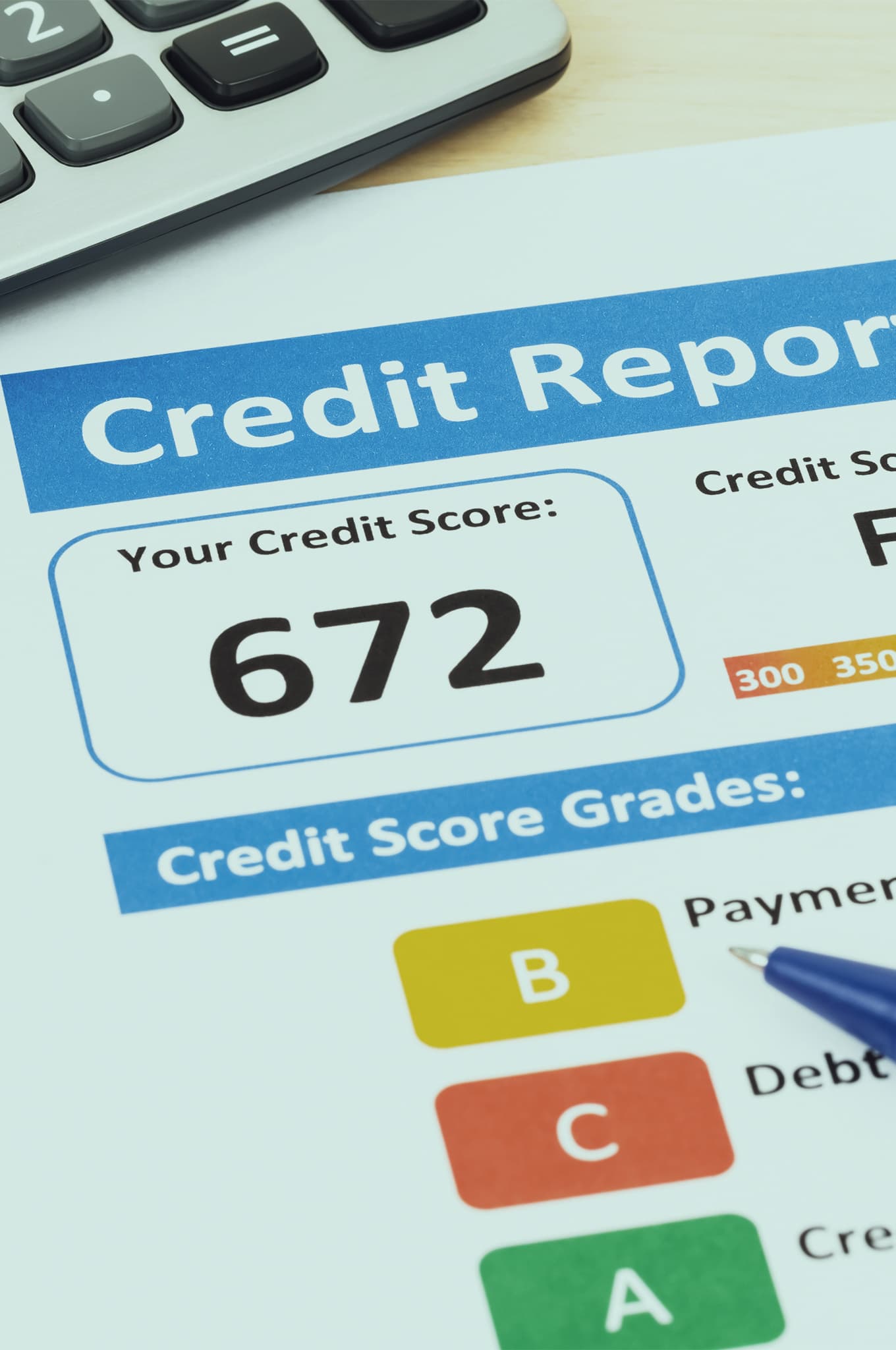
Are payments, utilization, derogatory items, and recent credit activity creating lender risk?

Mortgage Readiness Guide
A practical guide to help borrowers understand credit, debt-to-income ratio, savings, income stability, documents, and the next step before applying.
THE ACTUAL QUESTION
Most mortgage readiness advice over-focuses on score. The useful question is sharper: which signal would make a lender pause today?
Educational review only
Credit, debt, savings, income, docs
Know what to fix first
01
What the report says
Are payments, utilization, derogatory items, and recent credit activity creating lender risk?
02
What the budget says
Can monthly income support existing debts plus the future housing payment?

03
What the cash position says
Are down payment, closing costs, and post-closing reserves accounted for?

04
What the history says
Can the borrower document income clearly enough for underwriting?
05
What the file says
Are statements, pay records, tax documents, and explanation letters ready before the lender asks?

Do not apply blind. Pick the action that matches where the file is today.
Review the credit, debt, savings, income, and document signals before the next application.
Get a human readiness review, or use the checklist first if the file is not ready for a conversation.
Borrower checklist
Six borrower document signals show whether the file is ready for a lender conversation, or whether one gap should be fixed first.
A mortgage readiness checklist should start with all three credit reports, separating true reporting errors from accurate negative history before another application.
Bring
Clean copies of the credit reports and a list of items that need action.
Check
Report names, balances, late payments, collections, public records, and account dates.
Borrower file
File signal
Turn this area into proof, not guesswork.
01
SignalPriority
Credit report accuracy
FAQ
Mortgage readiness means a borrower is prepared across the major factors lenders review, including credit profile, debt-to-income ratio, savings, income stability, documents, and a realistic next-step plan.
You are closer to mortgage readiness when your credit profile, income, debts, savings, and documentation can support a lender review. The safest next step is to check each factor before applying instead of focusing only on credit score.
Credit score requirements depend on loan type and lender rules. FHA, conventional, VA, and USDA paths can have different requirements, so borrowers should review current lender and program guidance before applying.
Yes. Debt-to-income ratio can affect approval because it shows how much of monthly income already goes toward debt payments. A borrower may need to reduce monthly debts, increase income documentation, or adjust the purchase target.
Start by identifying the denial reason, then build a plan around the specific gap. Common next steps include improving credit profile, lowering monthly debt obligations, increasing savings, fixing documentation issues, or waiting until income history is stronger.