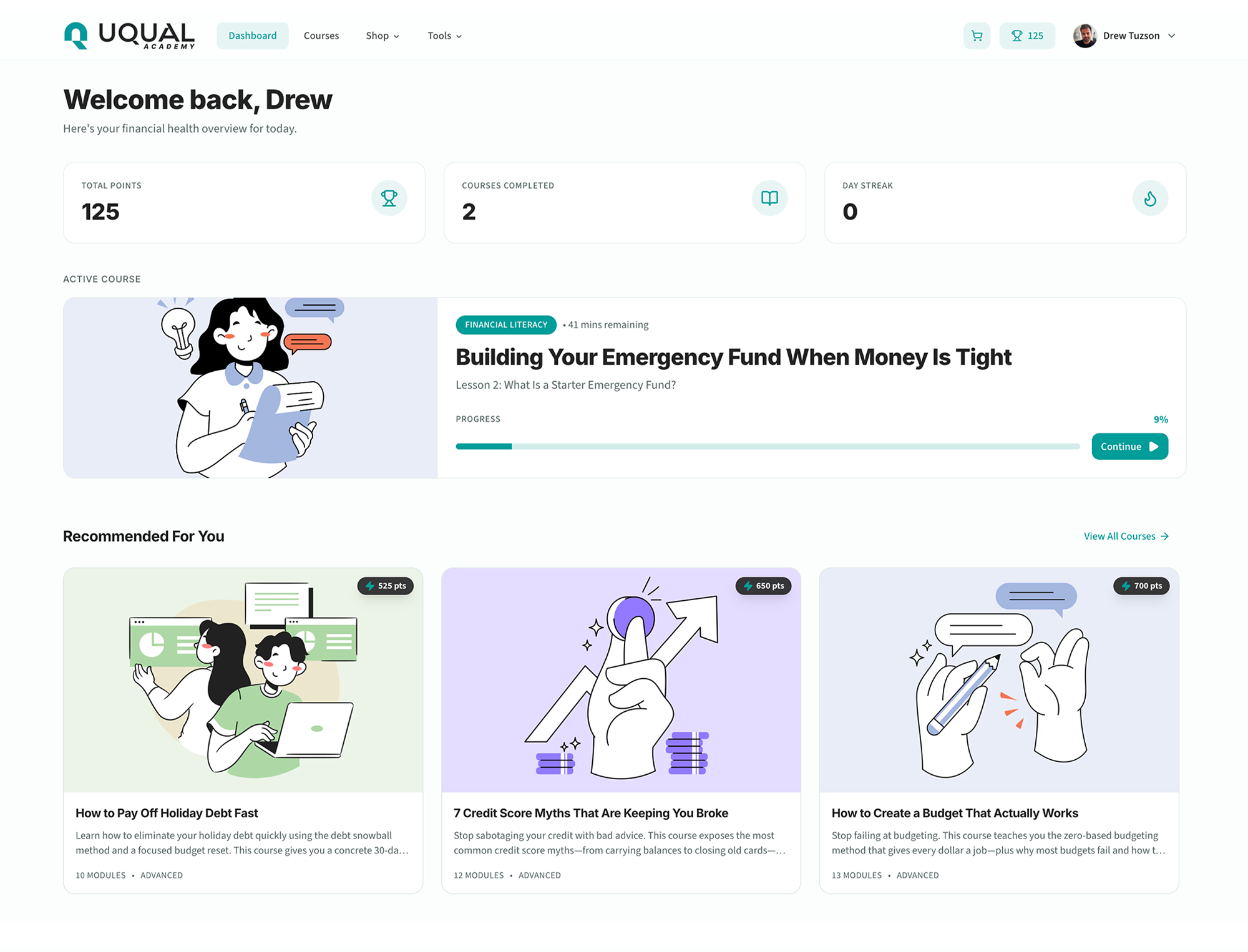
Emergency savings significantly impact financial health and mortgage readiness. Lenders examine whether applicants maintain sufficient reserves for unexpected costs without loan default. According to UQUAL research, borrowers with adequate emergency funds show 73% higher loan approval likelihood, as this strengthens the Down Payment Savings component of their Loan Readiness Score™. A solid emergency fund also shields credit scores by eliminating reliance on expensive credit cards during crises. To understand [what it truly means to be loan-ready](/resources/what-is-loan-readiness), emergency savings are one of the most important building blocks.
Understanding Emergency Savings and Their Role in Loan Readiness
Why Emergency Savings Matter for Loan Approval
Emergency savings demonstrate financial responsibility to lenders and reduce default risk. Adequate reserves protect credit scores by preventing dependence on high-interest borrowing. This contributes positively to overall loan readiness scoring—and it's part of [why loan readiness involves more than just fixing your credit](/resources/why-loan-readiness-is-different-from-credit-repair).
Determining Your Target Emergency Fund Amount
Financial experts recommend saving 3-6 months of essential living expenses. Calculate this by listing monthly essential costs (housing, utilities, food, transportation, insurance, debt payments) and multiplying by desired coverage months. Prospective homebuyers should add 1-2 months for potential home maintenance. For a deeper look at the numbers and strategy, see our [in-depth guide to emergency savings before buying a home](/resources/building-emergency-savings-before-buying-a-home-your-financial-foundation).
Creating Your Emergency Savings Strategy
Starting Small with Automated Savings
Begin with automatic transfers from checking to a dedicated savings account on paydays. Even modest amounts like $25-$50 accumulate significantly. UQUAL data indicates automated savers reach goals 2.5 times more frequently. Open a high-yield savings account to earn better returns and reduce spending temptation.
Finding Extra Money in Your Budget
Review monthly expenses for unnecessary subscriptions and services. Explore side hustles or overtime opportunities. Redirect windfalls and tax refunds directly to savings accounts. You can also try [creative home savings strategies that don't break the bank](/resources/creative-ways-to-save-for-your-home-without-breaking-the-bank) to accelerate your timeline.
Protecting and Growing Your Emergency Fund
Choosing the Right Account Type
High-yield savings accounts at online banks offer optimal liquidity and returns. Avoid investing emergency funds in stocks due to market volatility. Consider a two-tier structure: maintain one month of expenses in regular savings for immediate access, with remaining funds in high-yield accounts.
Managing Emergency Funds During Financial Challenges
When to Use Your Emergency Fund
Reserve funds for genuine emergencies: job loss, medical expenses, essential home/car repairs, or unexpected family obligations. Establish clear usage guidelines. Develop replenishment plans when funds are withdrawn.
Emergency Savings and Long-term Financial Goals
Balancing Emergency Savings with Other Priorities
UQUAL recommends allocating savings between emergency funds and down payments based on current Loan Readiness Score™ and timeline. Generally, build 2-3 months of emergency savings before prioritizing down payment accumulation.
Key Takeaways
Begin with automated savings regardless of amount
Target 3-6 months of expenses
Use accessible high-yield savings accounts
Balance emergency and down payment goals
Track progress via Loan Readiness Score™
UQUAL Editorial Team
Financial Education Team
The UQUAL Editorial Team creates educational content to help aspiring homeowners become loan-ready through financial literacy, credit building, and mortgage preparation.