Short answer: Mortgage underwriting usually takes a few days to a few weeks. Wells Fargo says the initial underwriting review generally takes about three business days, and Chase says the full review averages three to four weeks. From application to closing, the average purchase loan took 36.8 days in March 2026, according to ICE Mortgage Technology.
Underwriting itself is rarely the slow part. Most delays come from missing documents, surprises on your credit report or bank statements, or the appraisal. Here is the typical timeline and how to keep yours on track.
What underwriting actually is
Underwriting is the lender's check that you can repay the loan and that the home is worth what you are paying. The underwriter reviews four things:
- Income: pay stubs, W-2s, tax returns, or other proof that your income is stable.
- Assets: bank statements showing your down payment and closing costs, and where the money came from.
- Credit: your credit report, scores, and payment history.
- The property: the appraisal and, for some loans, whether the home meets program standards.
Most loans first run through an automated underwriting system, such as Fannie Mae's Desktop Underwriter or Freddie Mac's Loan Product Advisor. FHA loans also go through FHA's TOTAL Mortgage Scorecard, a scoring tool the lender reaches through one of those systems. A human underwriter then confirms that your documents support what the system was told.

Typical timeline
| Stage | Typical time | What you do |
|---|---|---|
| Application and Loan Estimate | Your lender must send a Loan Estimate within 3 business days of your application | Send documents the day they are requested |
| Application to rate lock | 11 days on average for purchase loans (ICE, March 2026) | Answer processor questions quickly |
| Initial underwriting review | About 3 business days (Wells Fargo), depending on your file | Nothing, unless asked |
| Conditional approval: clearing conditions | A few days to a few weeks, depending on how fast documents come back | Send each requested item promptly and completely |
| Rate lock to closing | 26 days on average for purchase loans (ICE, March 2026) | Schedule closing once you are clear to close |
| Closing Disclosure | You must receive it at least 3 business days before closing | Compare it with your Loan Estimate |
The two federal timing rules in this table, the Loan Estimate within 3 business days of your application and the Closing Disclosure at least 3 business days before closing, come from the Consumer Financial Protection Bureau's mortgage disclosure rules.
What "conditional approval" means
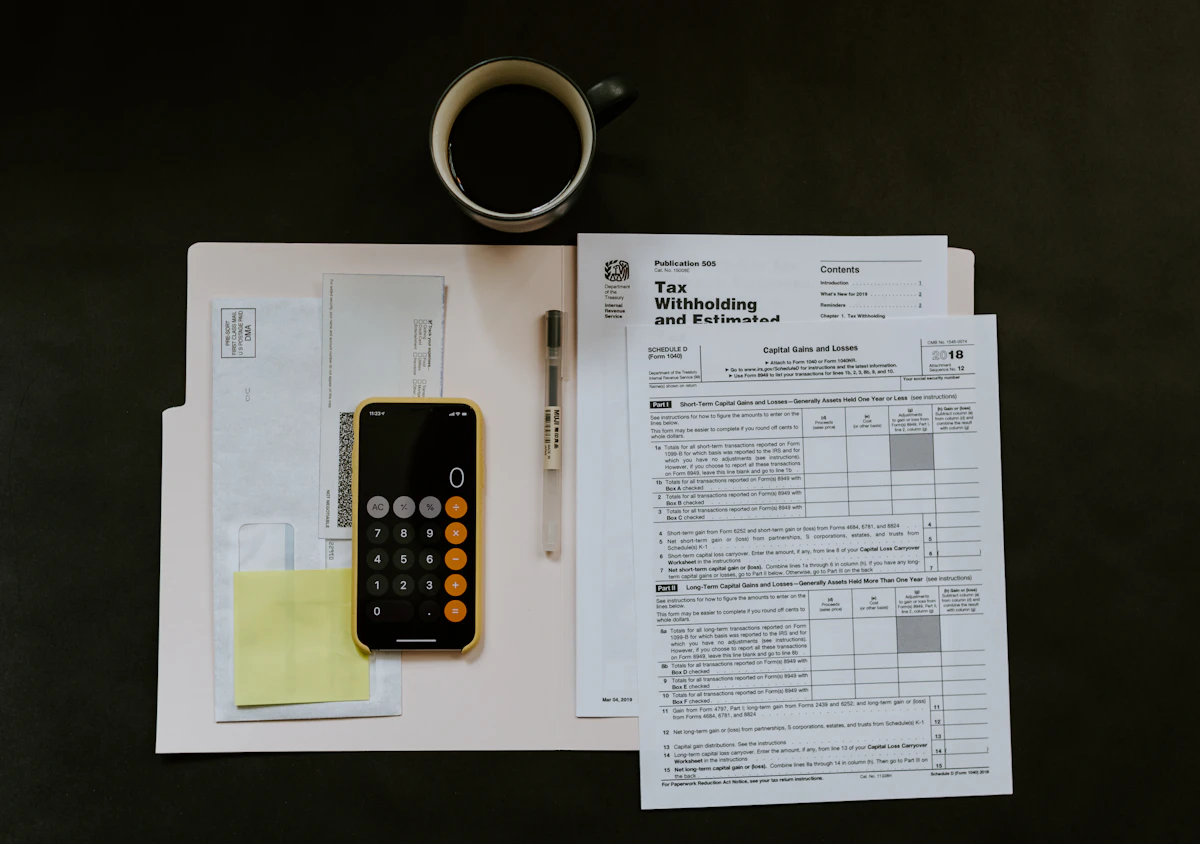
Most loans are approved "with conditions." A condition is something the underwriter needs before the loan can close, such as:
- A letter explaining a large deposit
- A recent pay stub or bank statement
- Proof that a debt was paid off
- A copy of a divorce decree or other legal document
Conditions are normal. How fast you send them is one of the biggest factors in how fast you close.
What slows underwriting down
- Large deposits you cannot document. Lenders need to know where your down payment came from. A cash deposit or an undocumented transfer often triggers extra requests.
- Changing jobs or pay structure during the process. Moving from salary to commission or self-employment can restart the income review.
- New credit. Opening a credit card or financing furniture before closing can change your debt-to-income ratio and require a new review.
- Self-employment or variable income. Expect requests for tax returns and, sometimes, a year-to-date profit and loss statement.
- Appraisal problems. A low value or required repairs can add days or weeks.
- Credit report surprises. Collections, disputes, or errors you did not know about may need to be explained or resolved.
How to keep your loan moving
- Gather your documents before you apply. Fannie Mae's guidelines call for your most recent pay stub dated within 30 days of your application, W-2s for the most recent one or two years depending on your income type, and two full months of bank statements for a purchase.
- Do not move money between accounts without keeping a paper trail.
- Do not open or close credit accounts until after closing.
- Tell your loan officer right away about any job change.
- Read every condition carefully and send exactly what is asked, all at once.
- Check your credit reports at AnnualCreditReport.com before you apply so nothing surprises you.

Does the loan type change the timeline?
It can. FHA, VA, and USDA loans each have their own appraisal and property standards, and VA appraisals are ordered through the VA's appraisal system rather than chosen by the lender. USDA guaranteed loans also need a conditional commitment from USDA Rural Development after the lender approves the file. Ask your lender how these steps affect timing in your area.
Common questions
Can underwriting be done in 24 hours?
An automated decision can come back in minutes, and a simple, complete file can be reviewed quickly. A full approval in 24 hours is uncommon because the appraisal and title work usually take longer.
Does no news from underwriting mean bad news?
Not usually. Files wait in a queue, and conditions often go back and forth. Ask your loan officer for the current status and the list of open conditions.
Can a loan be denied in underwriting?
Yes, if the documents do not support the application or something changes before closing. Common causes are income that cannot be verified, new debt, or a low appraisal.
Getting ready before you apply
To see how a lender will look at your income and debts before you apply, try the UQUAL Mortgage DTI Calculator. It gives you an estimate of your debt-to-income ratio. Your lender's underwriter calculates the actual figure from your verified documents and credit report.
Sources
- Wells Fargo: Steps to understand mortgage underwriting
- Chase: Mortgage underwriting process and timeline
- ICE Mortgage Technology: May 2026 Mortgage Monitor
- CFPB: When do I get a Closing Disclosure?
- CFPB: Guide to the Loan Estimate and Closing Disclosure
- Fannie Mae Selling Guide: Employment and income documentation
- Fannie Mae Selling Guide: Verification of deposits and assets
UQUAL is a loan readiness company. UQUAL is not a credit repair company and does not provide credit repair, debt settlement, legal, or tax guidance, and UQUAL is not a lender. UQUAL LLC is headquartered at 1499 W 121st Ave #200, Westminster, CO 80234 (Phone: (833) 498-7825). This guide is for education only and is not a loan pre-approval or lending commitment.

VP of Sales and Marketing · Loan Readiness & Lender Partnerships
Brian Eck leads sales and marketing at UQUAL. He works directly with mortgage professionals to help connect not-yet-qualified and declined borrowers with a loan-readiness path.
Topics
Interactive Diagnostic Tools
Test Your Numbers Against 2026 Agency Underwriting Rules
Use UQUAL's free calculators and underwriting hubs to evaluate your 4-pillar readiness score, max purchase price and cash to close, Front-End and Back-End DTI ratios, and student loan IDR documentation before authorizing a hard credit pull.
FHA vs. Conventional Loan Calculator (2026)
Compare 1.75% UFMIP + 0.55% FHA MIP vs. credit-tiered Conventional PMI, HPA 78% LTV cancellation, and 5/10-year total cost.
4-Pillar Mortgage Readiness Score Calculator
Grade your Credit, DTI, Down Payment & Reserves, and Documentation readiness on a 0 to 100 scale.
Home Affordability & Cash-to-Close Calculator
Compare your Income/DTI Max Price vs. Cash-to-Close Ceiling across FHA, Conventional, VA, and USDA loans.
Interactive Mortgage DTI & Debt Tradeoff Calculator
Compare your PITI and total DTI against FHA, Conventional, VA, and USDA rules and simulate paying off debt vs. saving cash.
Down Payment Assistance & Second-Lien Calculator
Compare DPA grants, 0% forgivable/deferred seconds, and amortizing seconds with CLTV and HFA credit/DTI eligibility checks.
Student Loan IDR & Mortgage DTI Hub
See how Fannie Mae, Freddie Mac, FHA (0.5% rule), and VA (5% / 12 rule) treat $0 IDR student loan payments.
Request a mortgage readiness review
UQUAL can review your readiness signals and help identify a practical next step before you apply.
2026 Underwriting Reference Mesh
Core Loan Readiness Hubs & Flagship Underwriting Guides
Explore UQUAL's canonical pillar hubs and agency rulebook guides covering FHA vs. Conventional total cost, down payment assistance & second liens, home affordability, VA residual income, USDA income limits, underwriting timelines, credit tiers, manual underwriting, collections, waiting periods, self-employed income, and bank statement seasoning.